
Direct answer
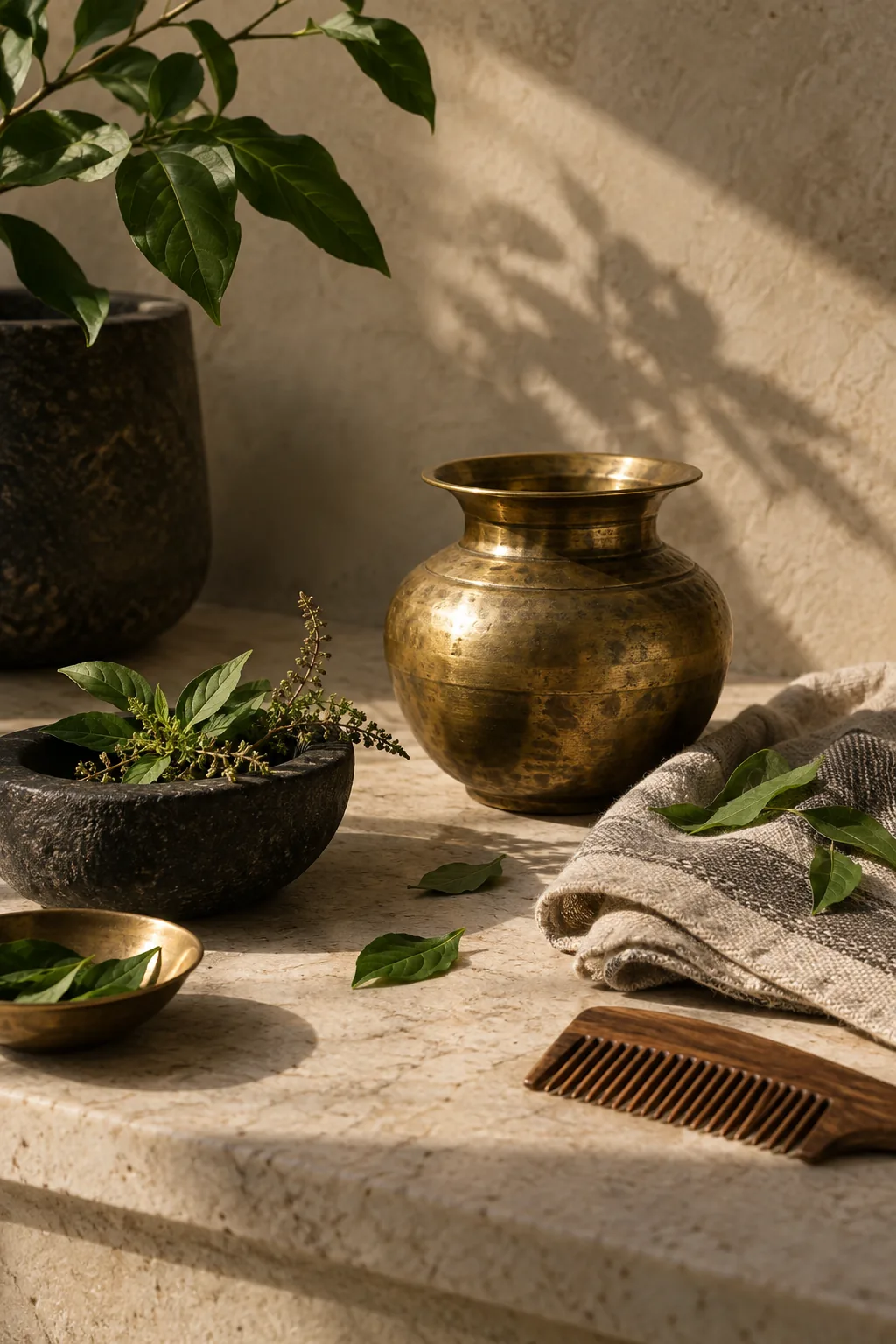
Ubtan is a traditional Indian powdered paste used in cleansing and ceremonial care. Contemporary use should be gentle and cosmetic, not a claim to lighten skin, cure a condition or replace professional care.
The 7-Chakra Reset is a 30-day meditation guide ($9.99 PDF).
More than a recipe
Ubtan can appear in family rituals, wedding preparation and ordinary bathing. Recipes vary by region, household and occasion. There is no single authentic formula. That variety is part of the tradition, not a problem to solve with a branded universal blend.

Ingredients need names
Whether a product is homemade or bought, know what is in it. Powders, fragrances and acids may irritate skin or eyes, and rough particles can be abrasive. Avoid unlabelled mixtures, do not share a wet product unsafely and stop if there is burning, rash or discomfort. A patch test is useful but not a guarantee.
Avoid colourism claims
Any promise to change skin colour or erase normal variation deserves scrutiny. Cosmetic care should not reinforce colourism or present a complexion as a defect. A respectful product talks about texture, cleansing and the sensory experience rather than selling an impossible standard.
Conclusion
Ubtan can remain a considered ritual when ingredients are transparent, application is gentle and marketing stays far away from treatment and colour claims.
Prepare and store with care
Keep dry powders dry until use, use clean utensils and discard a wet mixture rather than storing it indefinitely. Avoid the eye area and do not scrub hard. If a household recipe contains an unfamiliar ingredient, find out what it is before using it on skin. Familiarity is not the same as safety.
Occasion and everyday use
A ceremonial preparation may have a different meaning from an everyday cleanser. It is fine to preserve that distinction. A ritual can be reserved for a festival, family gathering or personal pause without being packaged as a daily medical necessity.
The useful standard
Choose gentle application, transparent ingredients and respectful language. These simple standards leave room for memory and craft while protecting people from unnecessary irritation and impossible promises.
Gentle application matters
Mix only enough for one use, apply with clean hands and rinse without force. A paste that stings, scratches or leaves skin uncomfortable is not made better by tradition. Stop and return to a known gentle cleanser if needed.
Preserve the context
An ubtan ritual can carry family memory, celebration or a simple sensory pause. That meaning is already sufficient. It does not need a promise about complexion, disease or transformation to deserve space in a modern routine.
Share the knowledge, not the pressure
If a recipe is passed through family, ask about its ingredients and occasion rather than assuming it suits every person. A tradition can be shared generously while leaving room for allergies, preferences and a person decision not to participate.
Gentle, transparent care is enough.