
Direct answer
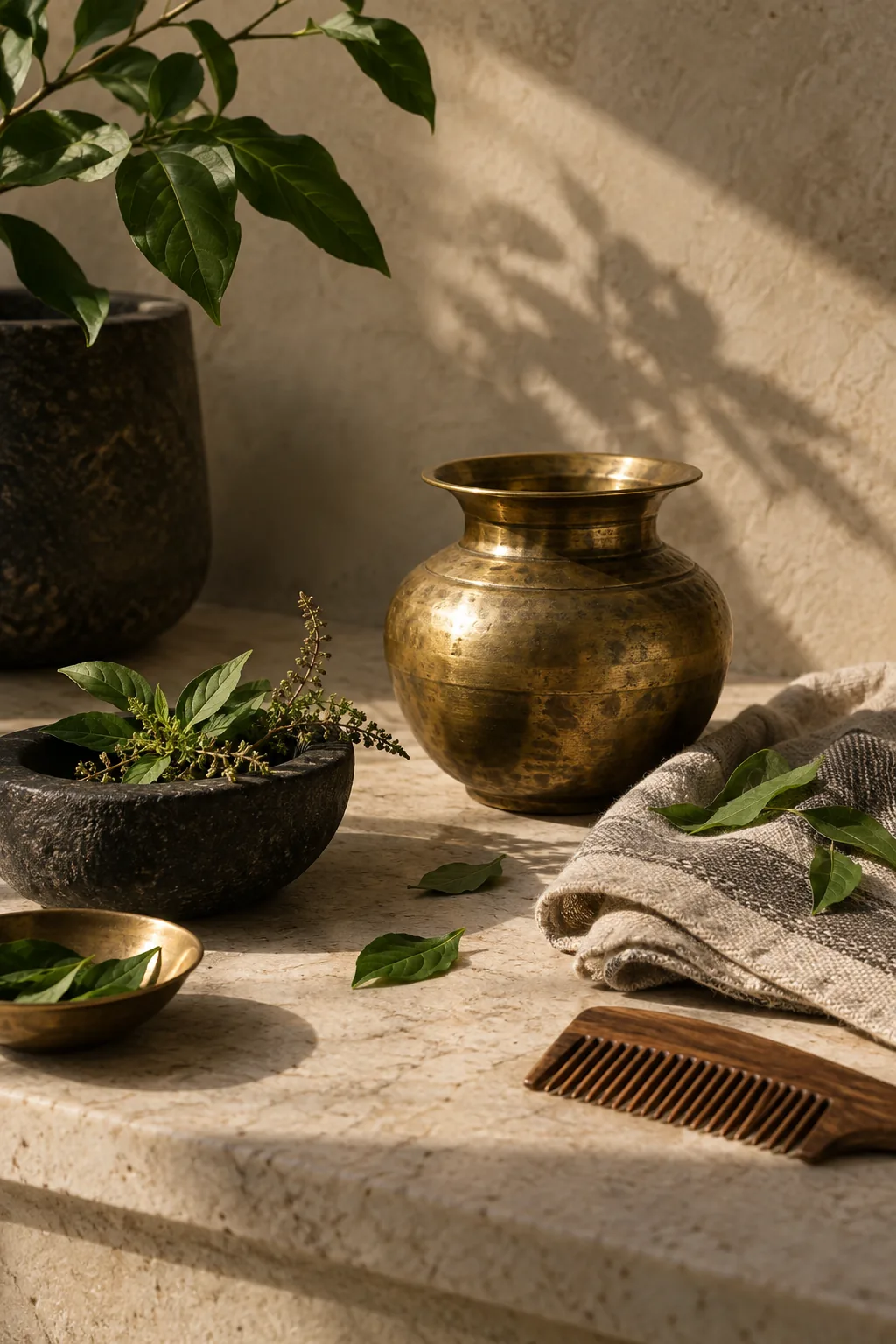
Rasayana is a traditional Ayurvedic term for a broad discipline concerned with nourishment, restoration and the maintenance of wellbeing. It is often translated as rejuvenation, but that translation does not establish that a rasayana product reverses aging, prevents disease or extends life. Those are specific health claims that require evidence for the exact intervention and outcome.
The 7-Chakra Reset is a 30-day meditation guide ($9.99 PDF).
More than a product category
In contemporary retail, rasayana may appear on jars of herbal paste, powders, tablets, ghee preparations and tonics. In the wider Ayurvedic tradition, however, the idea is not limited to buying an ingredient. Classical discussions place conduct, food, routine, environment and individually chosen preparations inside a larger framework.
WHO's international Ayurveda terminology standard helps professionals use these concepts consistently across records and research. Terminology standardisation explains what a traditional term refers to; it does not certify every commercial claim that borrows the word.
The practical distinction is important. A quiet meal, adequate rest and a sustainable routine can have personal value without being described as cellular renewal. Likewise, a product labelled rasayana remains a product with ingredients, quantities, warnings and quality questions. The label cannot inherit proof from the history of the category.

Rejuvenation is not an anti-aging result
Modern advertising often connects rasayana with immunity, hormones, detoxification, memory or longevity. These are separate outcomes. Evidence about one preparation, population and duration cannot be transferred to another formula, and laboratory or animal findings cannot by themselves predict a meaningful benefit in people.
NCCIH notes that scientific evidence for many Ayurvedic approaches remains limited and that some preparations may contain potentially harmful metals. It also advises against postponing conventional care for a medical problem. Read expansive language with the Ayurvedic product-claims checklist, especially when a seller moves from traditional description to guaranteed results.
A useful question is: what would count as evidence for this precise claim? General words such as vitality or balance may describe an experience, but claims about infection, cognitive decline, fertility, cancer or lifespan require appropriate clinical research and qualified care.
A low-risk way to explore the idea
Begin with the non-product parts of restoration. Protect a realistic sleep window, make meals regular enough to be dependable, take movement that suits your ability and leave margin between demanding parts of the day. The Ayurvedic daily routine guide shows how to adapt tradition without making every practice compulsory.
These actions are not a rasayana treatment plan and do not prove a change in health markers. They are reversible habits that can be judged by ordinary questions: are they affordable, safe, pleasant and compatible with work, disability, medication and clinical advice?
If food is the focus, avoid universal lists of rejuvenating ingredients. Allergies, cultural preferences, metabolic needs and access vary. The Ayurvedic food traditions guide keeps cultural meaning separate from rigid diet rules.
Before taking a rasayana supplement
Identify every ingredient and amount. Check the plant part, extract type, serving size, warnings, manufacturer, batch information and independent quality documentation. A proprietary blend or poetic Sanskrit name can hide information needed for a safe decision.
Discuss the product with a clinician or pharmacist if you are pregnant or breastfeeding, preparing for surgery, giving it to a child, managing a liver, kidney, thyroid or autoimmune condition, or taking medicines. Herbs can cause adverse effects and interactions. Multi-ingredient products also make it difficult to identify which component caused a problem.
Use the guide to reading Ayurvedic product labels before purchase. Stop using a product and seek appropriate help for symptoms such as jaundice, severe vomiting, swelling, breathing difficulty or another concerning reaction.
Conclusion
Rasayana is best understood as a substantial traditional category, not shorthand for medically proven anti-aging. Preserve its cultural context, choose low-risk restorative habits where they fit and evaluate every ingestible product on its exact composition, evidence and safety.